45-Minute Cornbread Recipe — Best Golden and Tender
Why You’ll Love Cornbread Recipe
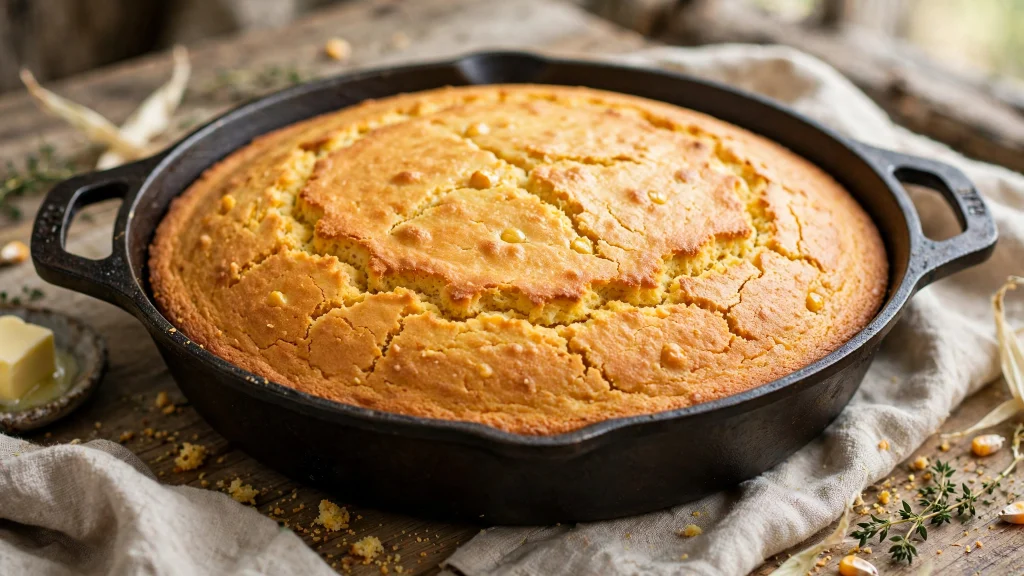
Cornbread recipe is one of those dishes that feels familiar and a little special at the same time. It has a buttery and mild flavour and a tender texture that suits a family side perfectly, without asking for a lot of skill or special equipment. What makes it work so well is balance. The cornmeal carries the dish, the seasoning keeps it interesting, and nothing in the recipe overwhelms anything else. It is the kind of food people ask for again, not because it is fancy, but because it is reliable and good.
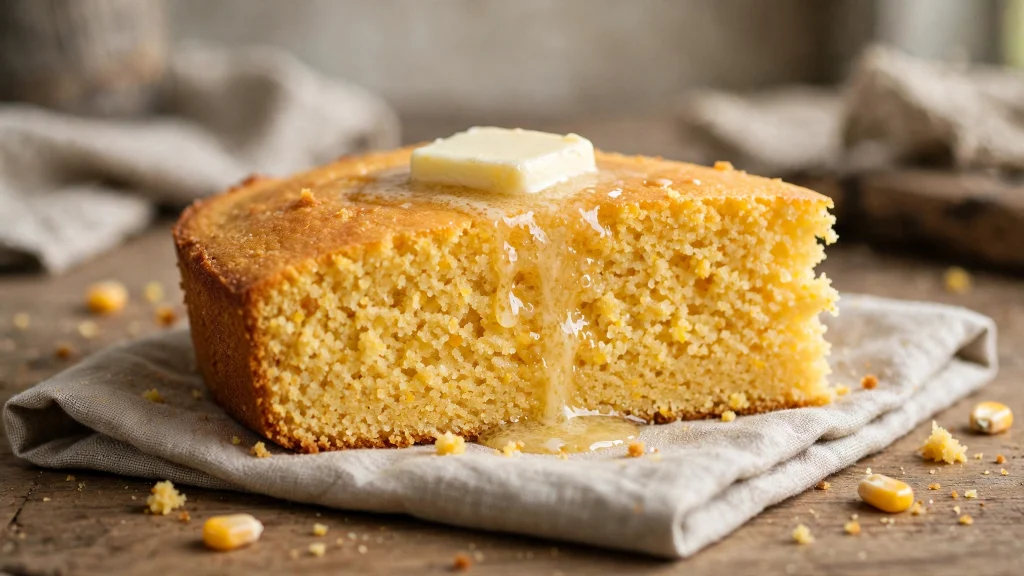
It is also a practical choice for a family side. The method is straightforward, the ingredients are easy to find, and the dish does not need constant attention once it is underway, which leaves you free to prepare a side or set the table.
What Makes This Version Better
Many versions of cornbread recipe go wrong in the same small ways, usually by rushing a step that needs patience or by seasoning only at the end. This version slows those steps down and seasons as it goes, so the flavour builds through the whole dish instead of sitting on top. The result is a cornbread recipe that tastes complete. The texture stays as it should, the sauce or dressing coats rather than pools, and the dish holds up well when it is served, stored, or reheated the next day.
Another difference is how the recipe treats the cornmeal. It is cooked or prepared with care, not just added and forgotten, so its flavour and texture come through clearly in the finished dish. That attention is what turns a simple recipe into one worth repeating.
Ingredients You’ll Need
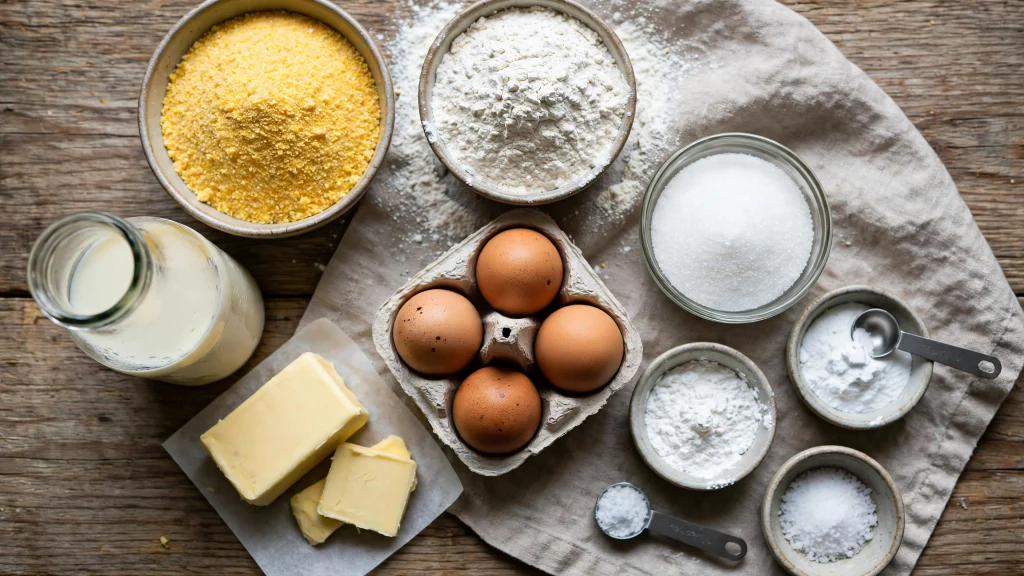
You do not need anything unusual for cornbread recipe, and most of the ingredients are pantry staples. Use fresh cornmeal where you can, measure the seasoning carefully, and read through the list once before you start, so nothing is missing halfway through.
- 1 cup (140 g) cornmeal
- 1 cup (125 g) flour
- 1 tablespoon baking powder
- 1/2 teaspoon salt
- 1/4 cup (50 g) sugar
- 1 cup (240 ml) buttermilk
- 2 eggs
- 1/4 cup (60 g) butter, melted
- 1 tablespoon honey, optional
How to Make Cornbread Recipe — Step by Step
Step 1 — Heat the Pan
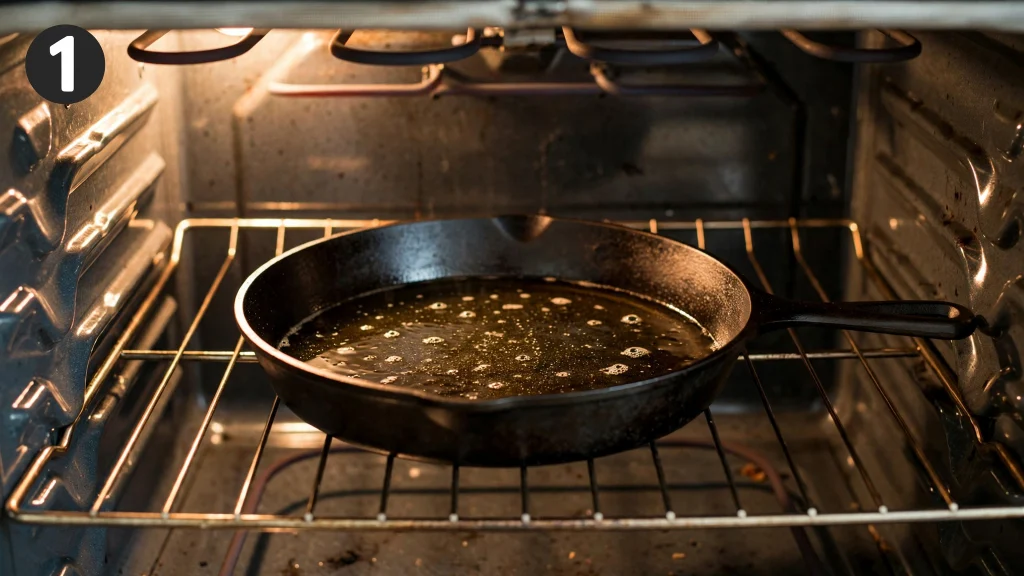
Heat the oven and place the skillet inside so it is hot when the batter goes in. A hot pan gives crisp edges, which are the best part of cornbread. Take your time here, because this step sets up everything that follows.
While you work, keep an eye on colour and smell as well as time, because those signs often tell you more than the clock alone. If the cornmeal looks ready a little early, move on rather than waiting for a number on a timer.
Step 2 — Mix the Dry Ingredients
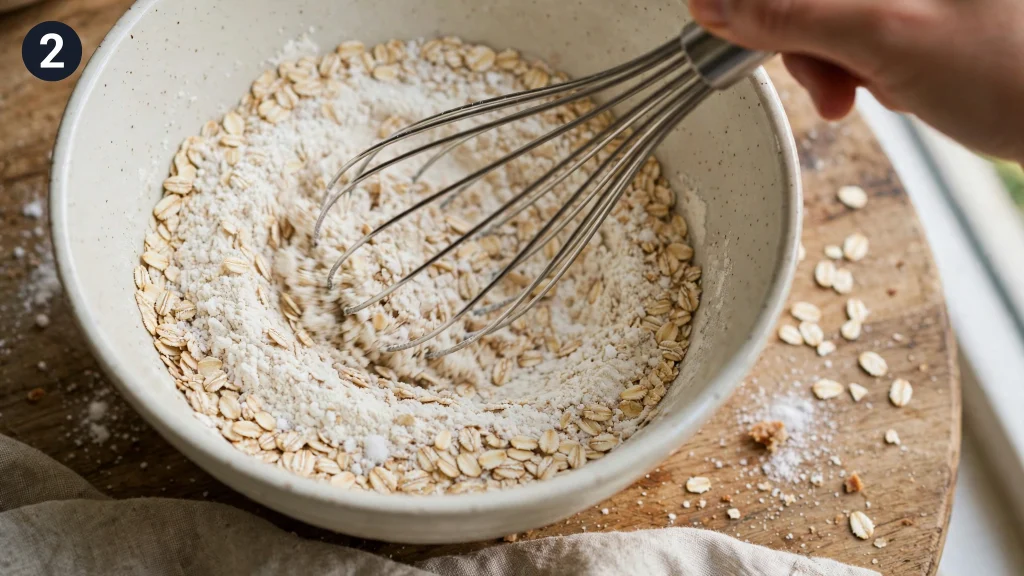
Whisk the cornmeal, flour, baking powder, salt and sugar until evenly mixed. Check for lumps, because they show up as pale spots in the baked bread. Check the texture and seasoning before moving on, since later steps cannot easily fix it.
A clean, organised workspace helps at this stage, especially when the next step follows quickly. Set out what you need in advance, so you are not searching for a tool with wet or messy hands.
Step 3 — Mix the Wet Ingredients
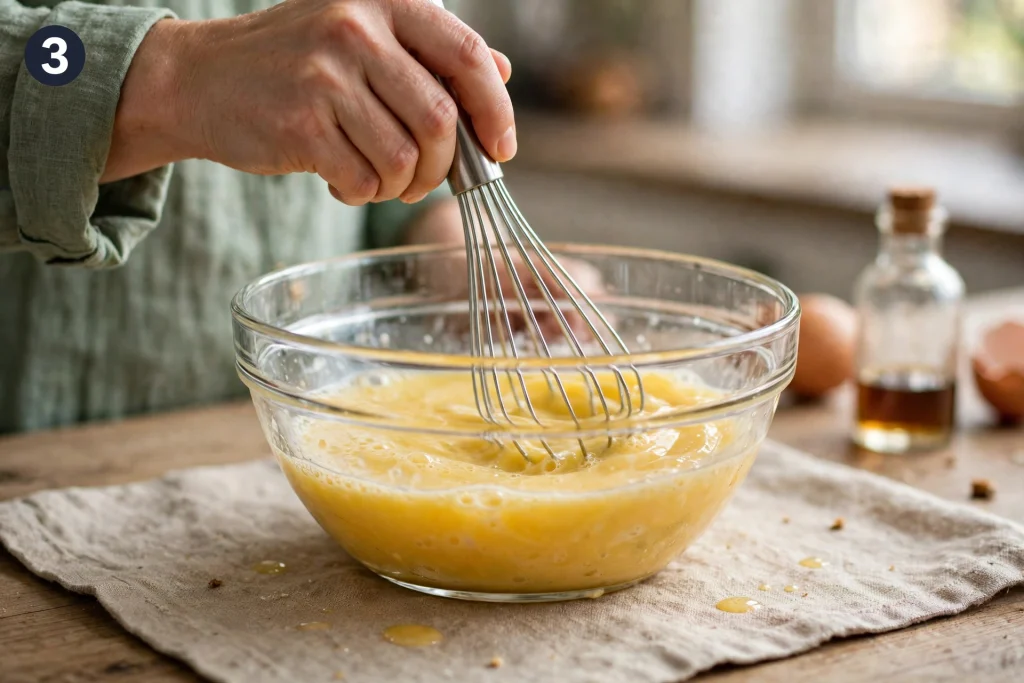
Whisk the buttermilk, eggs, melted butter and honey until smooth. Buttermilk keeps the crumb tender, so do not replace it with plain milk if you can help it. Work at a steady pace and keep your workspace tidy, which makes the next step much easier.
Do not be afraid to adjust slightly for your own kitchen, because pans, ovens, and ingredient sizes all vary. A small change in heat or timing is normal, and it does not mean the recipe has gone wrong.
Step 4 — Combine and Pour
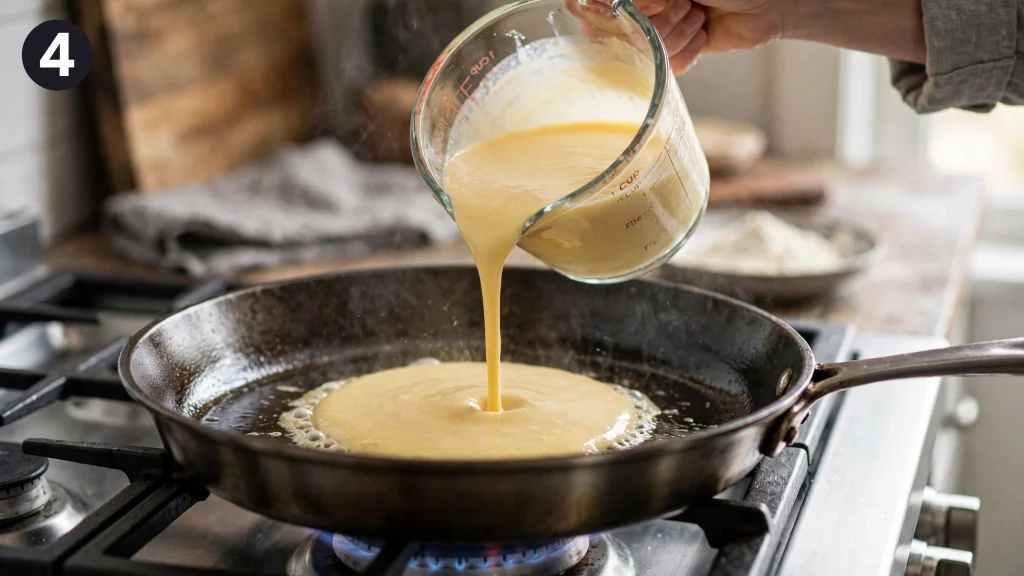
Stir the wet mixture into the dry mixture just until combined, then pour into the hot, greased skillet. A few lumps are fine, and overmixing makes tough bread. If something looks uneven, adjust it now rather than hoping the oven or the chill will fix it.
Once this step is done, take a quick look at the whole dish before moving on. Even colour, even size, and a balanced seasoning at this point will carry through to the finished result.
Step 5 — Bake Until Golden
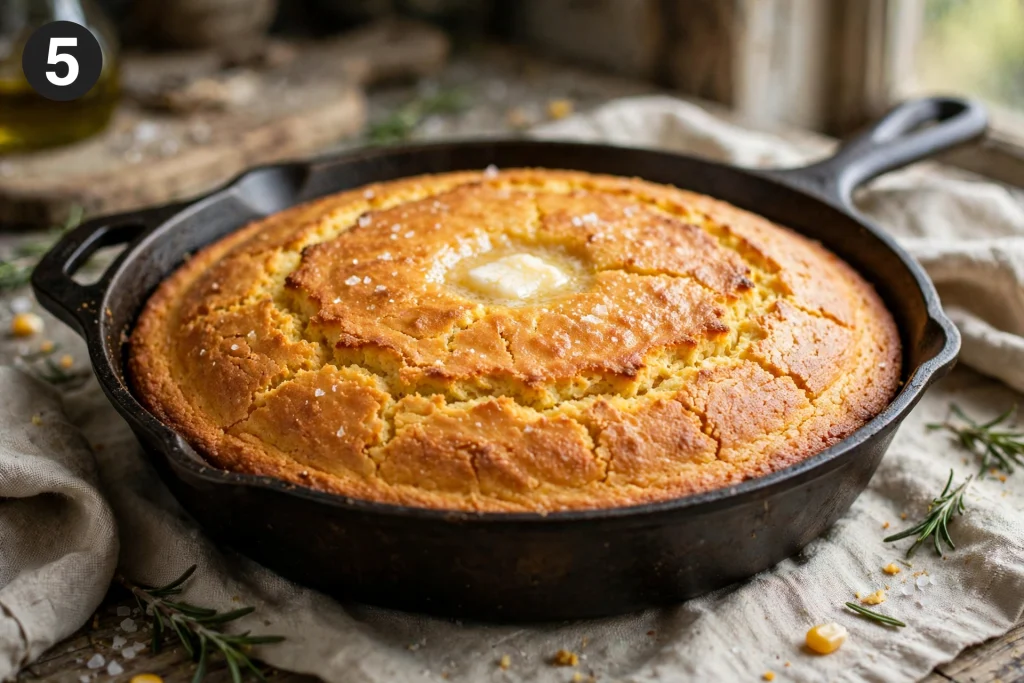
Bake until golden and a toothpick comes out clean, then rest briefly before slicing so the crumb sets. Trust the signs described here, not just the clock, because kitchens and ingredients vary.
This is also a good moment to clean as you go, so the final serving feels relaxed rather than rushed. A tidy counter makes the last steps much more enjoyable.
Make It Your Own
Once you know the base recipe, cornbread recipe is easy to adjust. Change one thing at a time, taste as you go, and keep the core method the same, so you can tell what the change actually did. You can also change how you serve it without changing the dish itself. A different side, a fresh herb on top, or a simple topping at the table can make the same recipe feel new, which is useful when it becomes a regular in your kitchen.
For a lighter version, reduce any rich topping or sauce slightly and add something fresh beside the dish. For a richer version, do the opposite, but keep the change small, so the cornmeal and the main flavour still lead the dish.
Common Mistakes to Avoid
The first mistake is rushing the main step. Whether it is cooking, mixing, or resting, hurrying usually shows up in the texture, and no amount of seasoning at the end can fully hide it. Give that step the time it asks for. The second mistake is under-seasoning. Taste at more than one stage, remember that cold dishes and starchy bases need a little more salt, and finish with fresh herbs or lemon where the recipe suggests it. The third mistake is skipping the rest or chill. Resting lets flavours settle and textures firm up, so a dish served too soon often tastes flat and falls apart. Plan that time in from the start.
Serving Suggestions
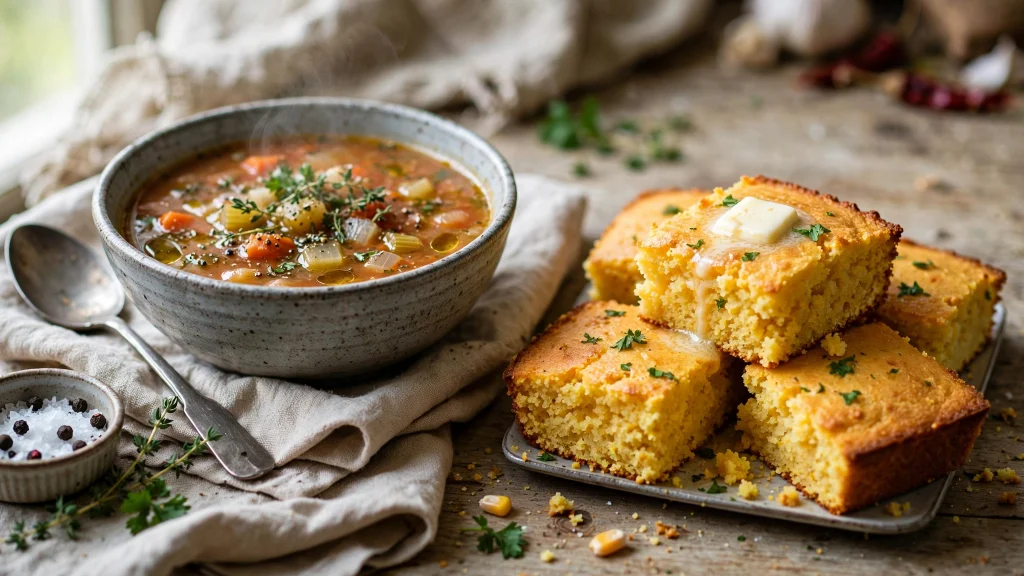
Cornbread recipe is good on its own, but a simple side keeps the plate balanced. Choose something fresh or crisp beside a rich dish, or something warm and simple beside a light one, and let the main dish stay the focus. If you are serving guests, plate it just before serving so the texture stays as intended. Keep sauces, toppings, or dressings separate until the last moment where that helps.
You can read more articles for this category: baking recipes.
Tips for Best Results
Read the recipe through once before you start, and set out your ingredients and equipment in advance. That small habit prevents most mid-recipe surprises and keeps the cooking calm. Use the temperatures and times as a guide, then trust your senses as well. Look, smell, and taste where the recipe allows, and note what worked in your kitchen, so the next batch is even easier. Keep notes on any change you make, even a small one. A short note about timing, seasoning, or a swap you tried will save you from guessing next time.
Another small habit that helps with cornbread recipe is to taste and check at each stage, rather than waiting until the end. A pinch of salt, a squeeze of lemon, or a little extra time can change the result more than a new ingredient, and it costs nothing to check.
When you serve cornbread recipe, think about temperature as well as flavour. A dish served too hot can taste flat, while a dish served at the right warmth lets the seasoning and texture show properly, so give it a brief moment before plating.
If you cook cornbread recipe often, keep a short note of what worked in your kitchen. Ovens, pans, and ingredients vary, and a note about timing or seasoning will make the next batch feel easier and more predictable.
A final detail worth remembering for cornbread recipe is to keep the balance of the dish in mind. Rich parts need something fresh beside them, and plain parts need a little seasoning or texture, so check the whole plate, not just the main dish.
Planning ahead also helps with cornbread recipe, especially on a busy day. Read the steps, set out the ingredients, and decide on a side early, so the cooking itself feels calm and the timing works out without rushing at the end.
Another useful check for cornbread recipe is to look at the dish as a guest would see it. Colour, arrangement, and a simple garnish can make a familiar recipe feel more inviting, without adding extra work or changing the flavour.
When you are happy with cornbread recipe, write down the version you made, including any small change in timing or seasoning. That note turns a good first attempt into a reliable recipe you can repeat with confidence next time.
Finally, remember that cornbread recipe is meant to be enjoyed, not perfected on the first try. A small imperfection in shape or colour rarely affects the taste, and the experience you gain will improve the next batch more than any single tip.
One more practical point for cornbread recipe is to keep the serving size in mind when you plan sides. A generous main needs only a light side, while a lighter main benefits from something more filling beside it, so the meal feels balanced overall.
It also helps to think about leftovers before you cook cornbread recipe, not after. If you know the dish keeps well, you can cook a little extra on purpose, which gives you an easy lunch or dinner later in the week without extra effort.
For a special occasion, cornbread recipe can be dressed up simply with a fresh garnish, a better serving dish, or a thoughtful side. Those small touches make the meal feel considered, while the recipe itself stays exactly as reliable as ever.
Above all, keep the method for cornbread recipe simple and repeatable. When a recipe is easy to remember, you are far more likely to cook it again, and that is how it becomes a trusted favourite in your own kitchen.
Storage Tips
Room Temperature
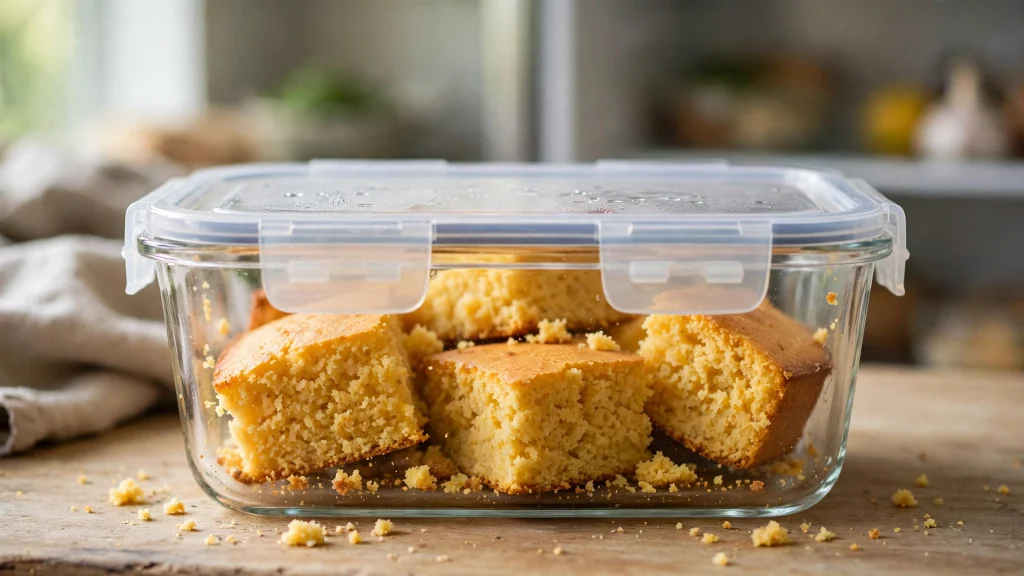
Do not leave cornbread recipe at room temperature for more than two hours. Once it has cooled enough to handle, move leftovers into containers promptly, because this keeps the food safe and makes the next meal easier.
Refrigerator
Store leftovers covered in the refrigerator for up to 3 days. Keep toppings and dressings separate where possible, and bring the dish back to the right temperature before serving, so it tastes as it should.
Freezer
Cornbread recipe can often be frozen, though texture may soften after thawing, especially for salads and dishes with fresh vegetables. Cool it completely, pack portions tightly, and label the container with the date.
Reheating
Reheat gently and evenly, adding a splash of liquid if a sauce or soup looks thick. Warm a single portion briefly rather than overheating the whole batch, and check that it is hot all the way through before serving.
Frequently Asked Questions
Can I make cornbread recipe ahead of time? Yes, in most cases you can prepare the main parts ahead and finish it on the day you serve it. Keep components separate where the recipe suggests it, and add fresh toppings or dressings at the end for the best texture.
Can I change the main ingredient in cornbread recipe? Yes, with care. Keep the cooking time and seasoning in mind, because a swap can change both. Taste as you go, and disclose any swap in your own notes so the result stays predictable next time.
Why did my cornbread recipe not turn out as expected? The usual causes are rushing a key step, uneven cooking, or under-seasoning. Check those three first, then adjust one thing at a time, rather than changing everything at once.
How should I store leftover cornbread recipe? Cool it promptly, store it covered in the refrigerator for up to 3 days, and reheat gently where that applies. Salads and fresh dishes are best eaten sooner, while baked dishes and soups often keep a little longer.
Final Thoughts
Cornbread recipe earns its place because it is buttery and mild, reliable, and not difficult once you know the steps. Follow the method as written the first time, give it the rest it needs, and you will have a dish that is easy to come back to.
You can read more articles for this category: side dish recipes.
Make it once as written, then adjust the seasoning or the serving to suit your household. That is how a simple recipe becomes a regular, not by being complicated, but by being warm, filling, and easy to enjoy again.
Cornbread Recipe — Golden and Tender
Ingredients
Equipment
Method
- Heat the oven and place the skillet inside so it is hot when the batter goes in. A hot pan gives crisp edges, which are the best part of cornbread.
- Whisk the cornmeal, flour, baking powder, salt and sugar until evenly mixed. Check for lumps, because they show up as pale spots in the baked bread.
- Whisk the buttermilk, eggs, melted butter and honey until smooth. Buttermilk keeps the crumb tender, so do not replace it with plain milk if you can help it.
- Stir the wet mixture into the dry mixture just until combined, then pour into the hot, greased skillet. A few lumps are fine, and overmixing makes tough bread.
- Bake until golden and a toothpick comes out clean, then rest briefly before slicing so the crumb sets.