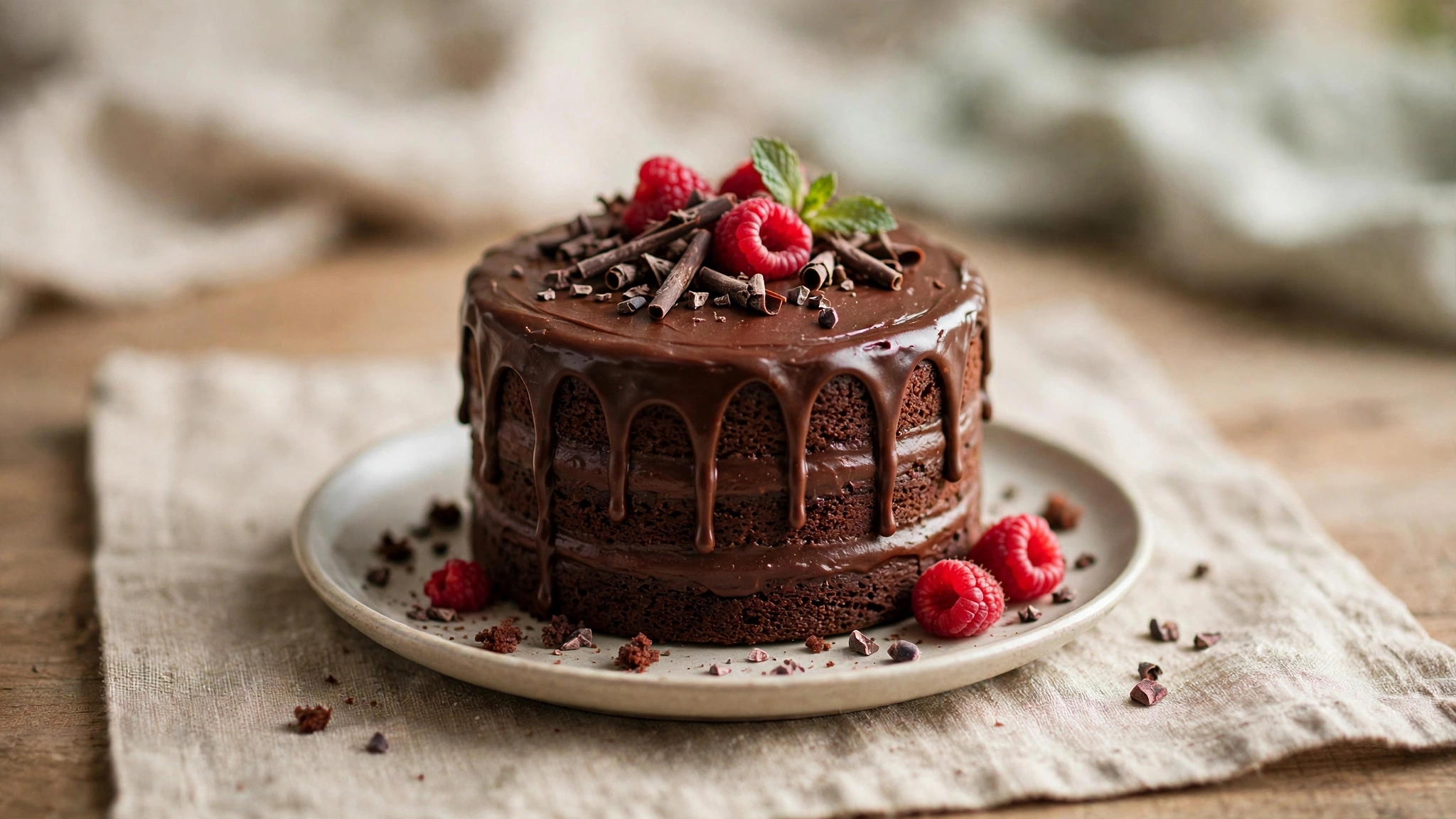
6-Inch Small Chocolate Cake — Best Rich & Moist
Why You’ll Love Small Chocolate Cake
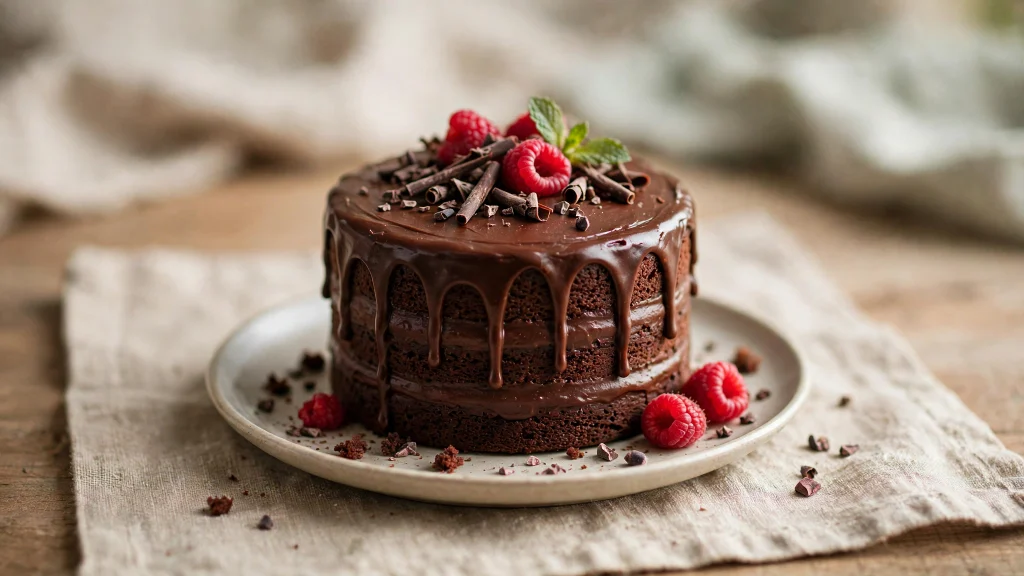
small chocolate cake is one of those dishes that feels familiar and a little special at the same time. It has a rich, dark chocolate with a gentle buttermilk tang flavour and a moist, tender crumb under a glossy ganache texture that suits a small birthday, a cosy celebration, or a weekend treat for a few people well, without asking for a lot of skill or special equipment. What makes it work so well is balance, because the main flavour comes through, the seasoning keeps it interesting, and nothing in the recipe overwhelms anything else.
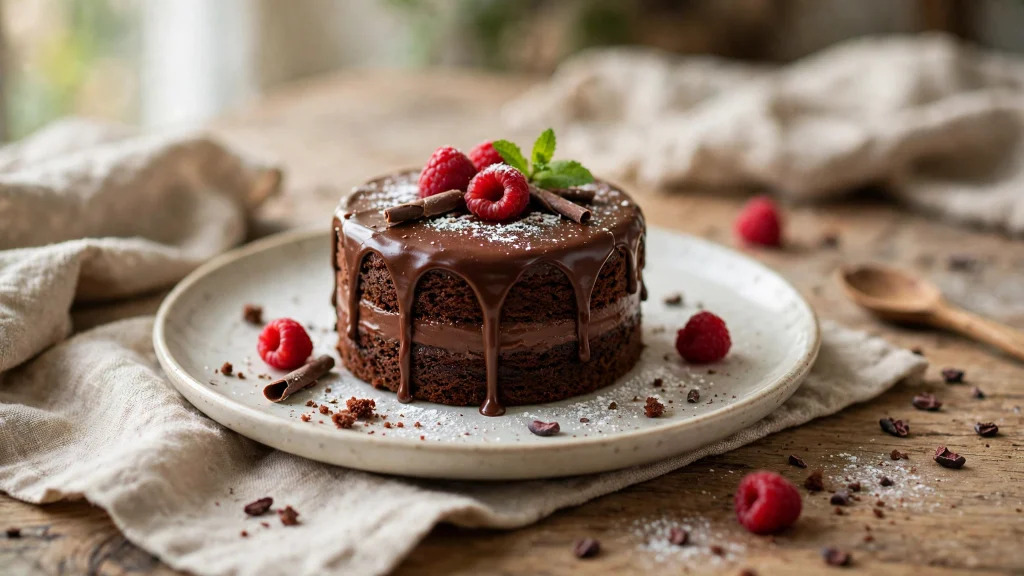
It is also a practical choice for a small birthday, a cosy celebration, or a weekend treat for a few people. The method is straightforward, the ingredients are easy to find, and the dish does not need constant attention once it is underway, which leaves you free to prepare a side or set the table.
People also like this dish because it is easy to scale up or down. Cook a smaller batch for two, or double it for guests, and the rich, dark chocolate with a gentle buttermilk tang character stays the same. Leftovers, where the recipe allows them, often taste just as good the next day, which makes it a useful addition to a regular cooking rotation.
For a small birthday, a cosy celebration, or a weekend treat for a few people, this dish also earns its keep by being forgiving. Small timing differences, a slightly different pan, or a topping swapped for one you already have will not ruin it, because the core flavours are strong enough to carry the plate. That forgiveness matters on a real weeknight, when cooking should feel steady rather than stressful, and when a recipe that works the first time is the one you reach for again.
What Makes This Version Better
Many versions of small chocolate cake go wrong in the same small ways, usually by rushing a step that needs patience or by seasoning only at the end. This version slows those steps down and seasons as it goes, so the flavour builds through the whole dish instead of sitting on top. The result tastes complete, the texture stays as it should, and the dish holds up well when it is served or stored.
Another difference is how this version treats the main ingredient. It is cooked or prepared with care, not just added and forgotten, so its flavour and texture come through clearly in the finished dish. That attention is what turns a simple recipe into one worth repeating.
The seasoning is layered rather than added all at once, so the main ingredient is supported at every stage. Sweet, salty, and bright notes are balanced in small amounts, which means the finished dish tastes rounded rather than sharp or flat. That layering is the main reason this version is worth keeping.
This version also keeps the cooking steps in a sensible order, so you are never asked to do two fiddly jobs at once. The main part is handled first, the accompaniment is prepared alongside it, and the final assembly is short and calm. That order is deliberate, because a recipe that flows well in the kitchen usually tastes better on the plate, with less rushing and fewer forgotten details.
Ingredients You’ll Need
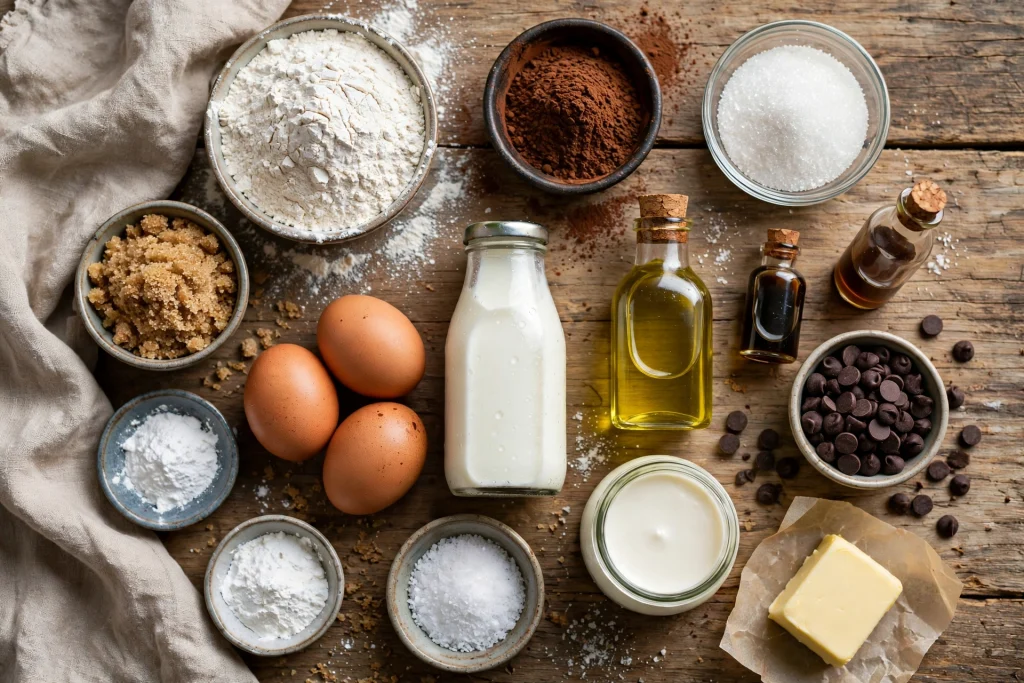
You do not need anything unusual for small chocolate cake, and most of the ingredients are pantry staples or easy to find. Use fresh chocolate where you can, measure the seasoning carefully, and read through the list once before you start, so nothing is missing halfway through.
Check the chocolate before you begin, and choose pieces that look and smell fresh. If one pantry item is missing, use the closest substitute you already trust, but keep the main ingredient and the cooking time the same, so the result stays predictable.
- 120 g flour
- 40 g cocoa powder
- 150 g sugar
- 1 teaspoon baking powder
- 1/2 teaspoon baking soda
- 1/2 teaspoon salt
- 2 eggs
- 120 ml buttermilk
- 60 ml vegetable oil
- 1 teaspoon vanilla extract
- 100 g dark chocolate, chopped
- 60 ml cream
How to Make Small Chocolate Cake — Step by Step
Step 1 — Mix the Dry Ingredients
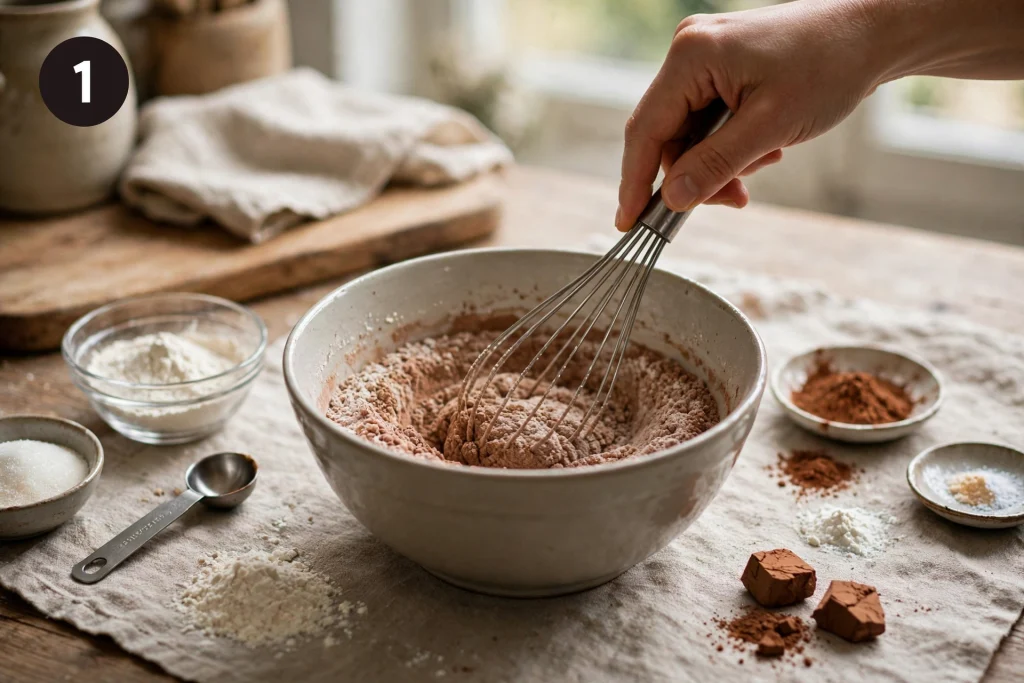
Whisk the flour, cocoa, sugar, baking powder, baking soda and salt in a large bowl until evenly mixed. Whisk well, because cocoa clumps easily and leaves dark spots in the crumb.
Step 2 — Mix the Wet Ingredients

Whisk the eggs, buttermilk, oil and vanilla in a jug until smooth. Whisk until smooth, because even wet ingredients give an even rise.
Step 3 — Combine the Batter
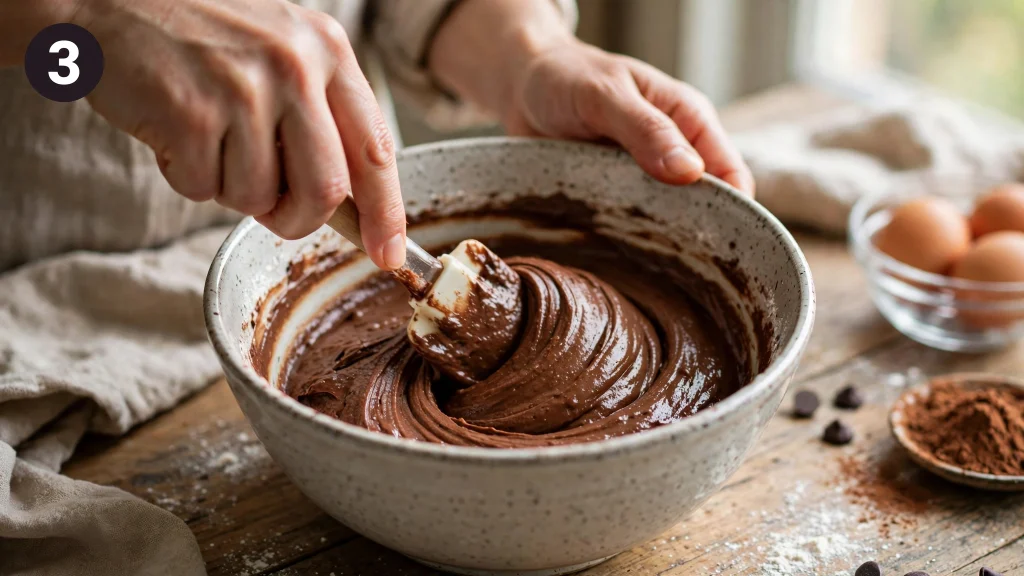
Pour the wet mix into the dry mix and stir just until combined, with no dry flour showing. Stir gently, because overmixing makes chocolate cake dense.
Step 4 — Bake the Cake

Pour the batter into a lined 6-inch tin and bake for 30 minutes until a skewer comes out clean. Check with a skewer, because the centre is the last part to set.
Step 5 — Rest and Ganache
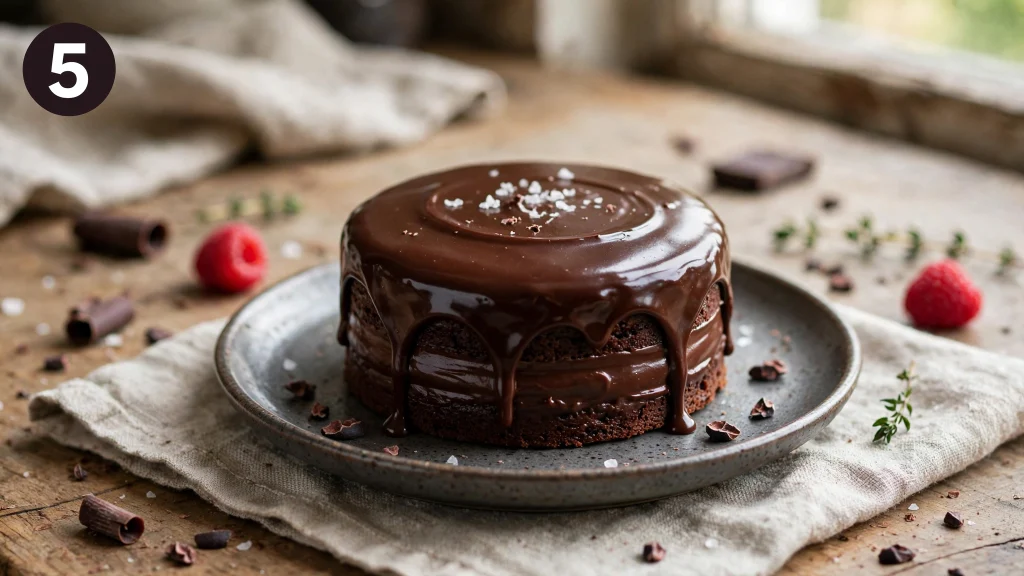
Rest the cake for 10 minutes in the tin, then cool fully, pour over the warm ganache, and let it set. Cool the cake fully, because warm cake melts the ganache off.
Make It Your Own
Once you know the base recipe, small chocolate cake is easy to adjust. Change one thing at a time, taste as you go, and keep the core method the same, so you can tell what the change actually did. You can also change how you serve it without changing the dish itself, which is useful when it becomes a regular in your kitchen.
For a lighter version, reduce any rich topping or sauce slightly and add something fresh beside the dish. For a richer version, do the opposite, but keep the change small, so chocolate and the main flavour still lead the dish. Add a pinch of espresso powder to the batter if you want a deeper chocolate flavour.
Toppings and sides are the easiest place to personalise this dish. Serve with fresh berries at the table for a brighter finish. Keep those extras simple, and let chocolate remain the focus of the plate.
Once the base is familiar, you can also adjust the plate for different people without cooking two meals. Keep the main dish the same, and let each person add their own topping, sauce, or side from a small set of extras. That approach works well for families and guests, because everyone gets a plate that suits them while the cook only makes one main dish.
Common Mistakes to Avoid
The first mistake is overbaking the cake, which dries the moist crumb. Whether it is cooking, mixing, or resting, hurrying or losing control at this point usually shows up in the texture, and no amount of seasoning at the end can fully hide it. Give that step the time it asks for.
The second mistake is opening the oven door too early, which makes the cake sink in the middle, and the third is pouring ganache over a warm cake, which slides off instead of setting. Taste at more than one stage, and plan the resting or chilling time in from the start, so the flavours settle and the texture firms up as it should.
A final mistake is serving at the wrong temperature or with the wrong balance on the plate. A dish served too hot can taste flat, while a dish served at the right warmth lets the seasoning and texture show properly. Give it a brief moment before plating, and check the whole plate, not just the main dish.
One more habit worth keeping is to taste the finished small chocolate cake before you plate it, not just during cooking. Seasoning can soften as a dish rests or chills, and a final pinch of salt, a squeeze of citrus, or a fresh herb can bring it back to life. That last check takes only a moment, and it is often the difference between a good plate and a memorable one.
Serving Suggestions
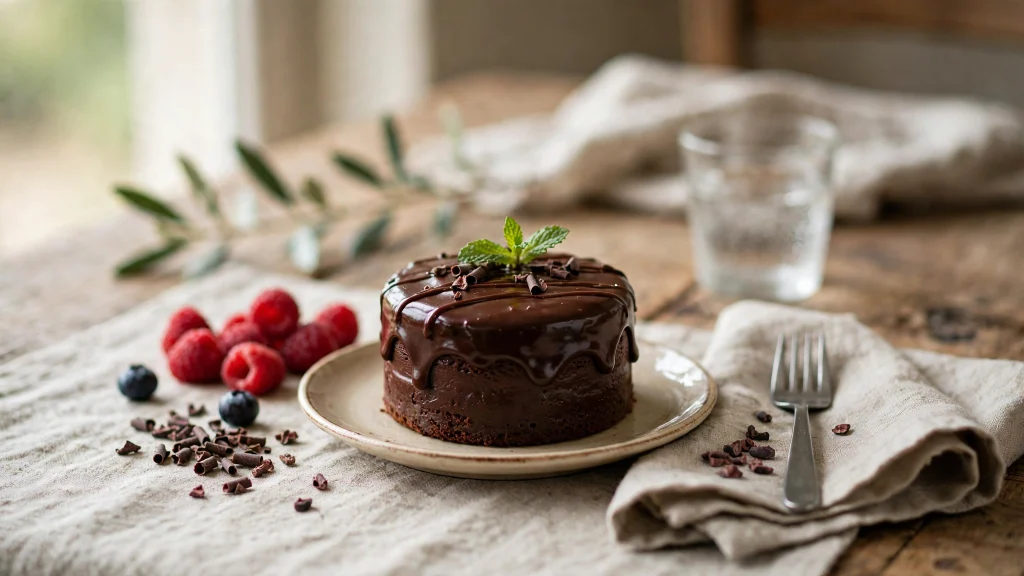
Small Chocolate Cake is good on its own, but a simple side keeps the plate balanced. Choose something fresh or crisp beside a rich dish, or something warm and simple beside a light one, and let the main dish stay the focus. If you are serving guests, plate it just before serving so the texture stays as intended.
A scoop of vanilla ice cream or fresh berries all work well beside small chocolate cake, depending on how rich the main dish is. Keep the side light when the main dish is rich, and a little more filling when the main dish is light, so the meal feels balanced overall.
If you are cooking for guests, think about the plate as a whole rather than only the main dish. A small bowl of something fresh, a simple sauce on the side, and a drink that is not too sweet will all help small chocolate cake shine without competing with it. Keep the extras simple, because the main dish should still be the reason people remember the meal.
You can read more articles for this category: 6 inch cake recipes.
Tips for Best Results
Read the recipe through once before you start, and set out your ingredients and equipment in advance. That small habit prevents most mid-recipe surprises and keeps the cooking calm.
Taste and check at each stage, rather than waiting until the end. A pinch of salt, a squeeze of lemon, or a little extra time can change the result more than a new ingredient.
When you serve this dish, think about temperature as well as flavour. A dish served at the right warmth lets the seasoning and texture show properly, so give it a brief moment before plating.
If you cook this dish often, keep a short note of what worked in your kitchen. Ovens, pans, and ingredients vary, and a note about timing or seasoning will make the next batch feel easier.
Storage Tips
Room Temperature
Do not leave small chocolate cake at room temperature for more than two hours. Once it has cooled enough to handle, move leftovers into containers promptly, because this keeps the food safe and makes the next meal easier. Do not leave the dish out while you clear up, as that extra time at room temperature is easy to forget.
Refrigerator
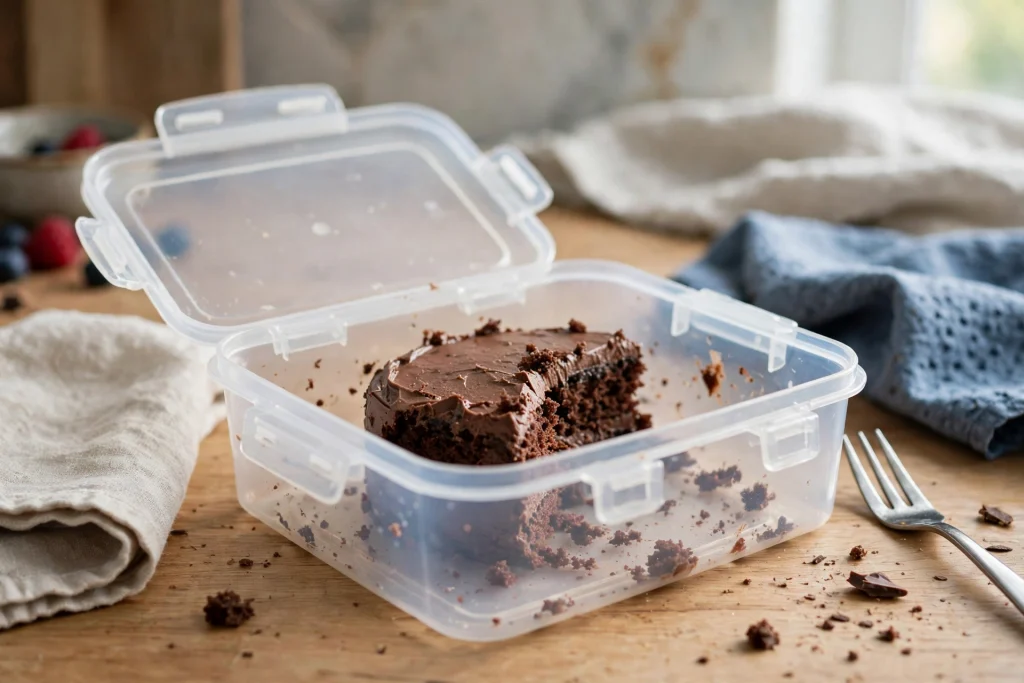
Store leftovers covered in the refrigerator for up to 3 days. Keep toppings and dressings separate where possible, and bring the dish back to the right temperature before serving, so it tastes as it should. Keep the container sealed, and use the oldest leftovers first.
Freezer
Small Chocolate Cake can often be frozen, though texture may soften after thawing. Cool it completely, pack portions tightly, and label the container with the date. Thaw overnight in the refrigerator where possible, rather than at room temperature, for the safest result.
Reheating
Reheat gently and evenly, adding a splash of liquid if a sauce or soup looks thick. Warm a single portion briefly rather than overheating the whole batch. Check that it is hot all the way through before serving, and stir once during reheating so the heat spreads evenly.
Frequently Asked Questions
Can I make small chocolate cake ahead of time? Yes, you can bake it a day ahead and keep it wrapped at room temperature. Add the ganache on the day you serve it, so it stays glossy.
Why did my cake sink? The usual cause is opening the oven door too early or underbaking. Keep the door shut for the first 20 minutes, and test with a skewer.
Can I use a different tin size? Yes, an 8-inch tin works, though the cake will be thinner. Reduce the bake time by about 5 minutes, and check early.
How should I store leftovers? Cool the cake promptly and store it covered at room temperature for up to 3 days. Keep it sealed so the crumb stays moist.
Final Thoughts
Small Chocolate Cake earns its place because it is rich, dark chocolate with a gentle buttermilk tang, reliable, and not difficult once you know the steps. Follow the method as written the first time, give it the rest or chill it needs, and you will have a dish that is easy to come back to.
You can read more articles for this category: birthday cake recipes.
Make it once as written, then adjust the seasoning or the serving to suit your household. That is how a simple recipe becomes a regular, not by being complicated, but by being warm, filling, and easy to enjoy again.
6-Inch Small Chocolate Cake — Best Rich & Moist
Ingredients
Method
- Whisk the flour, cocoa, sugar, baking powder, baking soda and salt in a large bowl until evenly mixed. Whisk well, because cocoa clumps easily and leaves dark spots in the crumb.
- Whisk the eggs, buttermilk, oil and vanilla in a jug until smooth. Whisk until smooth, because even wet ingredients give an even rise.
- Pour the wet mix into the dry mix and stir just until combined, with no dry flour showing. Stir gently, because overmixing makes chocolate cake dense.
- Pour the batter into a lined 6-inch tin and bake for 30 minutes until a skewer comes out clean. Check with a skewer, because the centre is the last part to set.
- Rest the cake for 10 minutes in the tin, then cool fully, pour over the warm ganache, and let it set. Cool the cake fully, because warm cake melts the ganache off.